Advancing cardiac and life science knowledge through focused research, hands-on training, and academic collaboration.
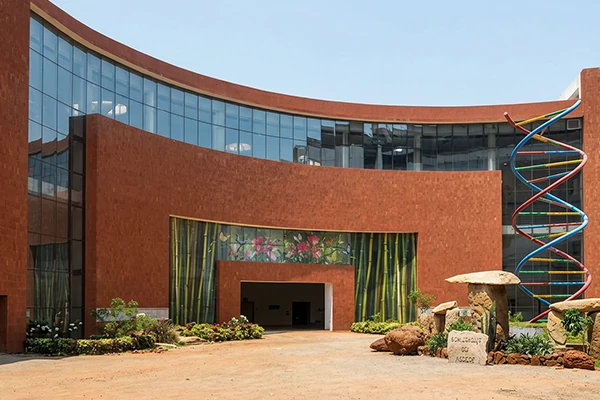
Frontier Mediville presents itself as an integrated medical science park developed for healthcare, education, training, basic research, and contract research. Its academic and research ecosystem supports both structured learning and applied scientific work.
At Frontier Lifeline Hospital, the admission process is designed to be structured, efficient, and patient-focused. From documentation and registration to room allocation and billing guidance, our teams help ensure that your admission is completed smoothly and without unnecessary delay.

Research and applications in tissue engineering as part of Mediville’s broader life science and biomedical focus.

Focused work in stem cell science, including training and research in isolation, differentiation, preservation, and application

Research aligned to cardiac science, including cardio-based tissue engineering and related translational work.

Research in genetics as one of Mediville’s listed critical R&D areas.

Work in molecular biology and microbiology supported by specialised labs, equipment, and domain expertise.
Frontier Mediville highlights its advantage through domain experts, modern research and testing infrastructure, and a secure facility environment. Its publicly listed strengths include specialised equipment, research support systems, and an Institutional Ethics Committee registered with DCGI for multi-centric trial review.
The facility is designed to support end-to-end clinical research, from early-phase studies to large-scale multi-centric trials. With dedicated infrastructure for sample processing, data management, and regulatory compliance, Frontier Mediville ensures research integrity at every stage while maintaining the highest standards of patient safety and confidentiality.
Frontier Mediville also positions itself as a platform for hands-on training, doctoral research, and academic collaboration. Its pages mention affiliations with Indian universities, collaborations with international organisations, and practical learning environments including laboratories, classrooms, simulation centres, libraries, and preserved pathology collections.